1. Scale of losses in detail
Polish stores lose the equivalent of €1.1 billion a year due to temperature errors and overdue goods, which corresponds to 2% of the sector's turnover.
2. HACCP in Retail
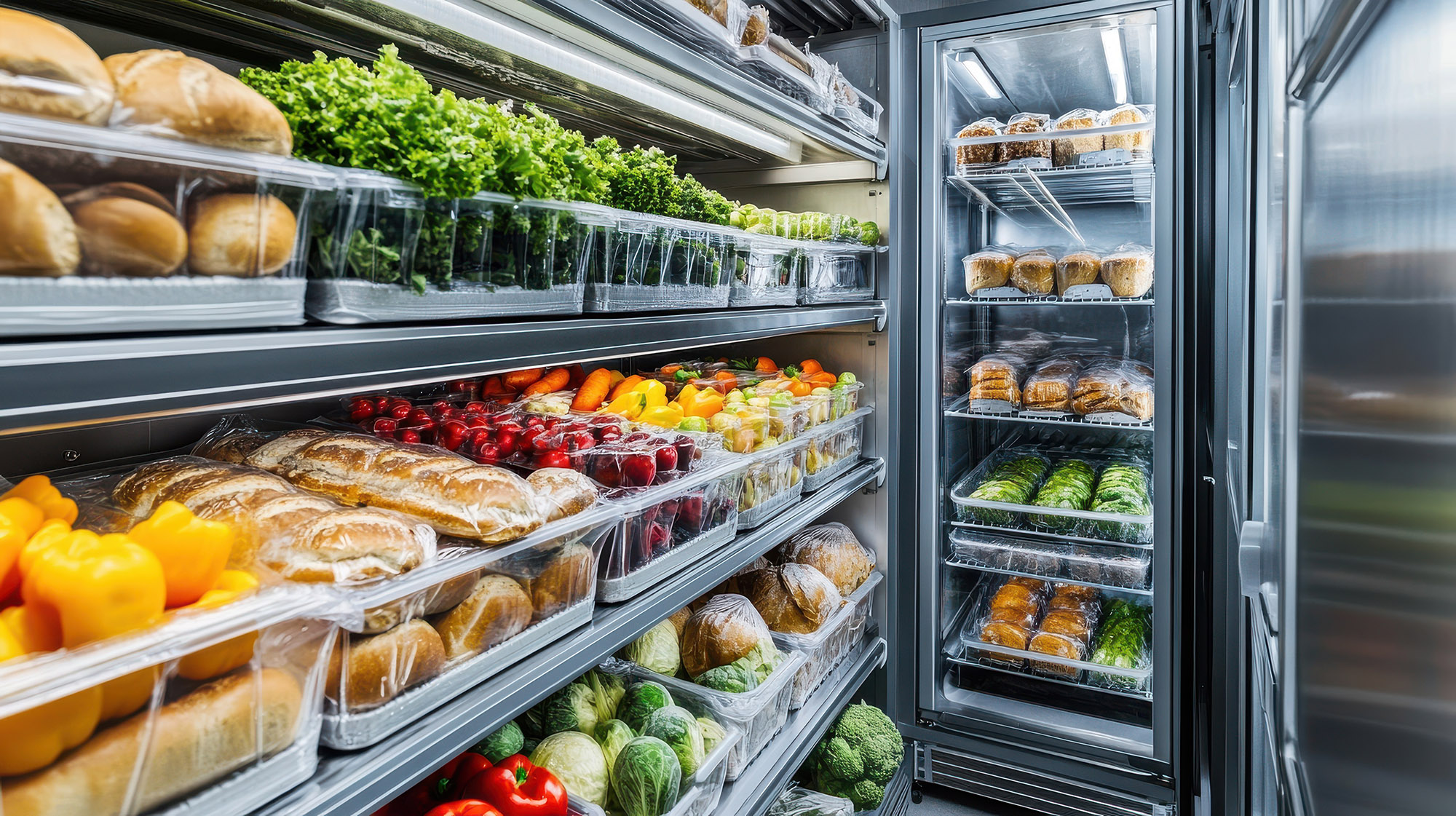
HACCP requires documented measurements at each critical control point (CCP) — for example, a meat shop (0—3°C) or dairy (2—6°C). Manual entries every 4 h are inefficient and prone to human error.
3. Automation reduces costs and waste
- Constant temperature record + SMS alerts reduce the risk of meat spoilage by 15% per year.
- Trend analysis allows you to catch a faulty gasket before a refrigeration failure occurs, which is part of predictive maintenance practice.
- Energy efficiency: monitoring alone can reduce power consumption in aggregates by 5— 15%.
4. Environmental dimension (SEO: “reducing the carbon footprint of grocery stores”)
Every tonne of food thrown away is 4.5 t CO₂e. Automatic temperature measurement is part of ESG strategies, increasingly required from retail chains by investors.
5. Business case
- The network of mini-markets in Krakow (12 outlets) after installing wireless probes reduced fresh meat losses by 18% in the first quarter.
- The 24 h store in Gdańsk recorded a 40% decrease in ice cream complaints after the summer season thanks to alerts about the increase in temperature in the freezer.
summary
Automatic temperature monitoring in retail means not only compliance with HACCP standards, but also a real reduction in financial losses and CO₂ emissions. This is the foundation for effective management of temperature-sensitive products, regardless of the size of the store.