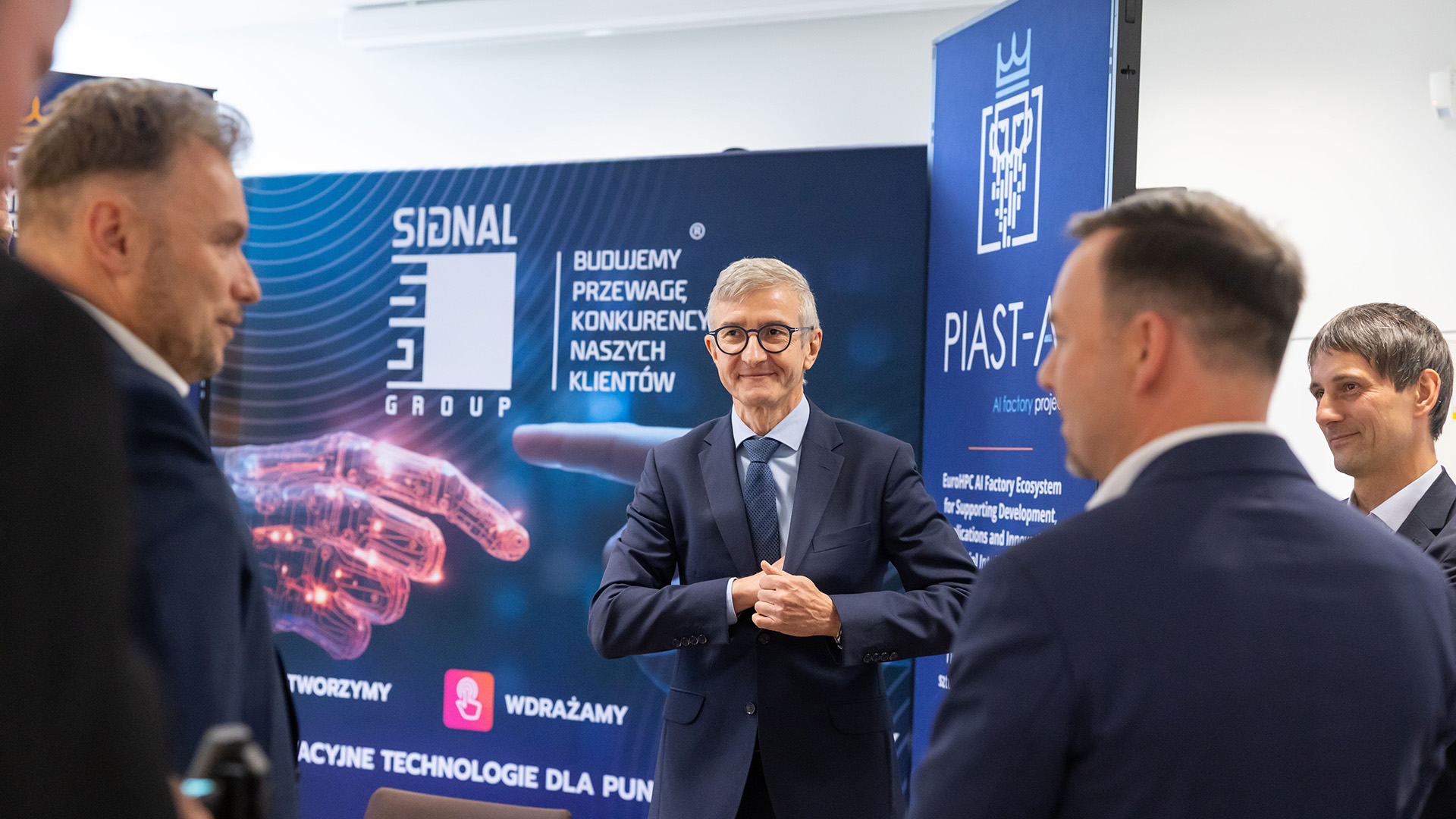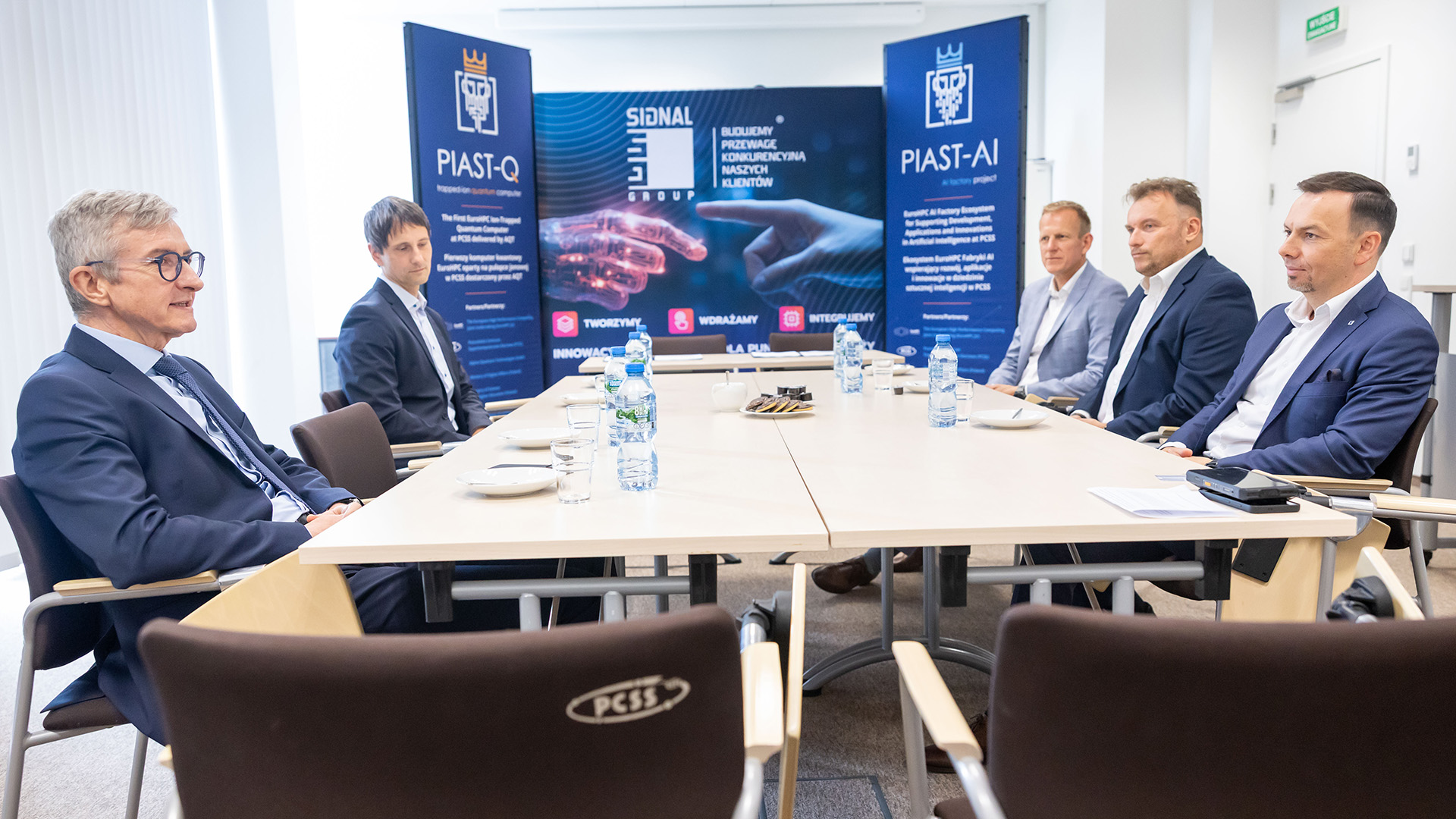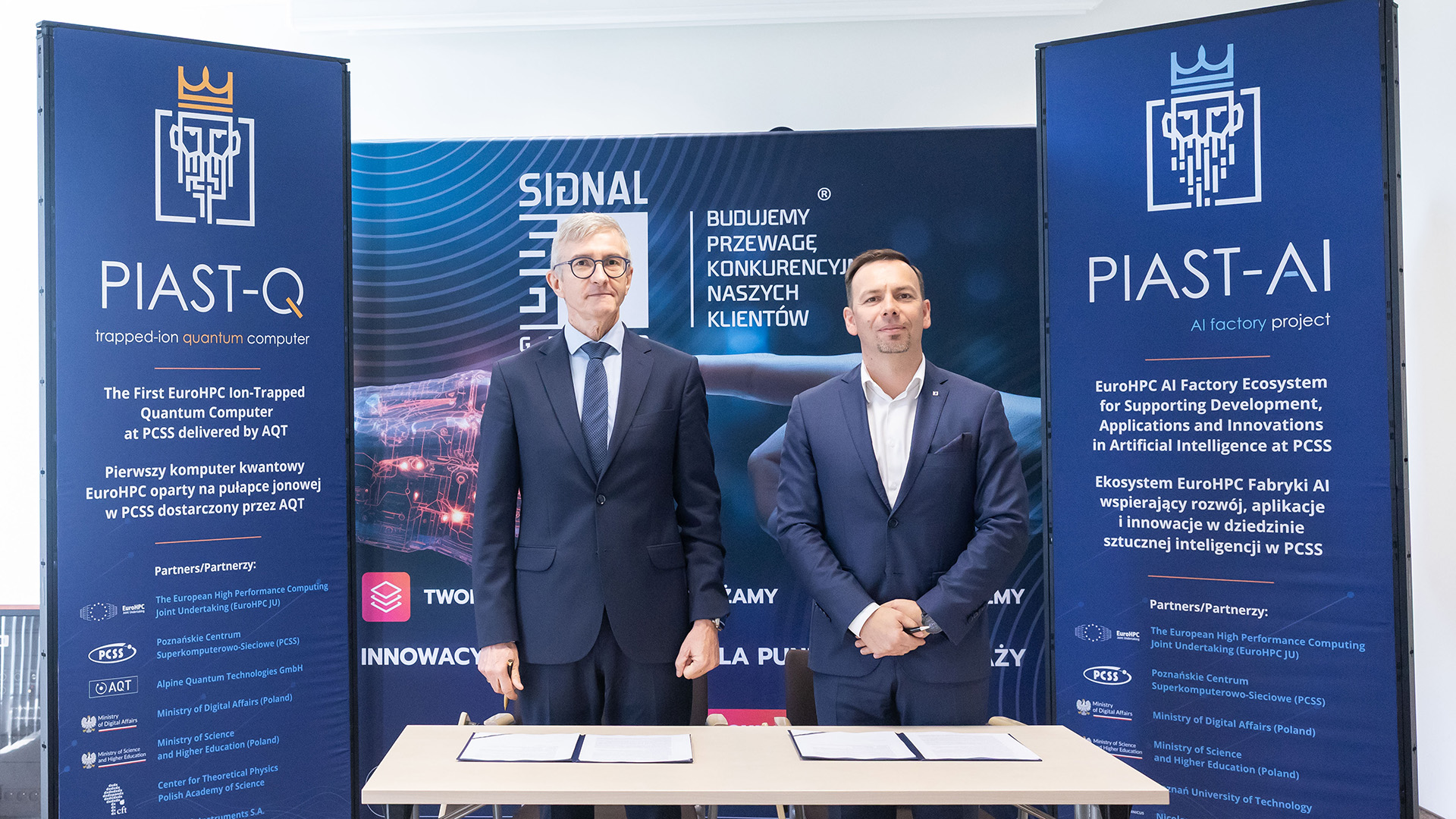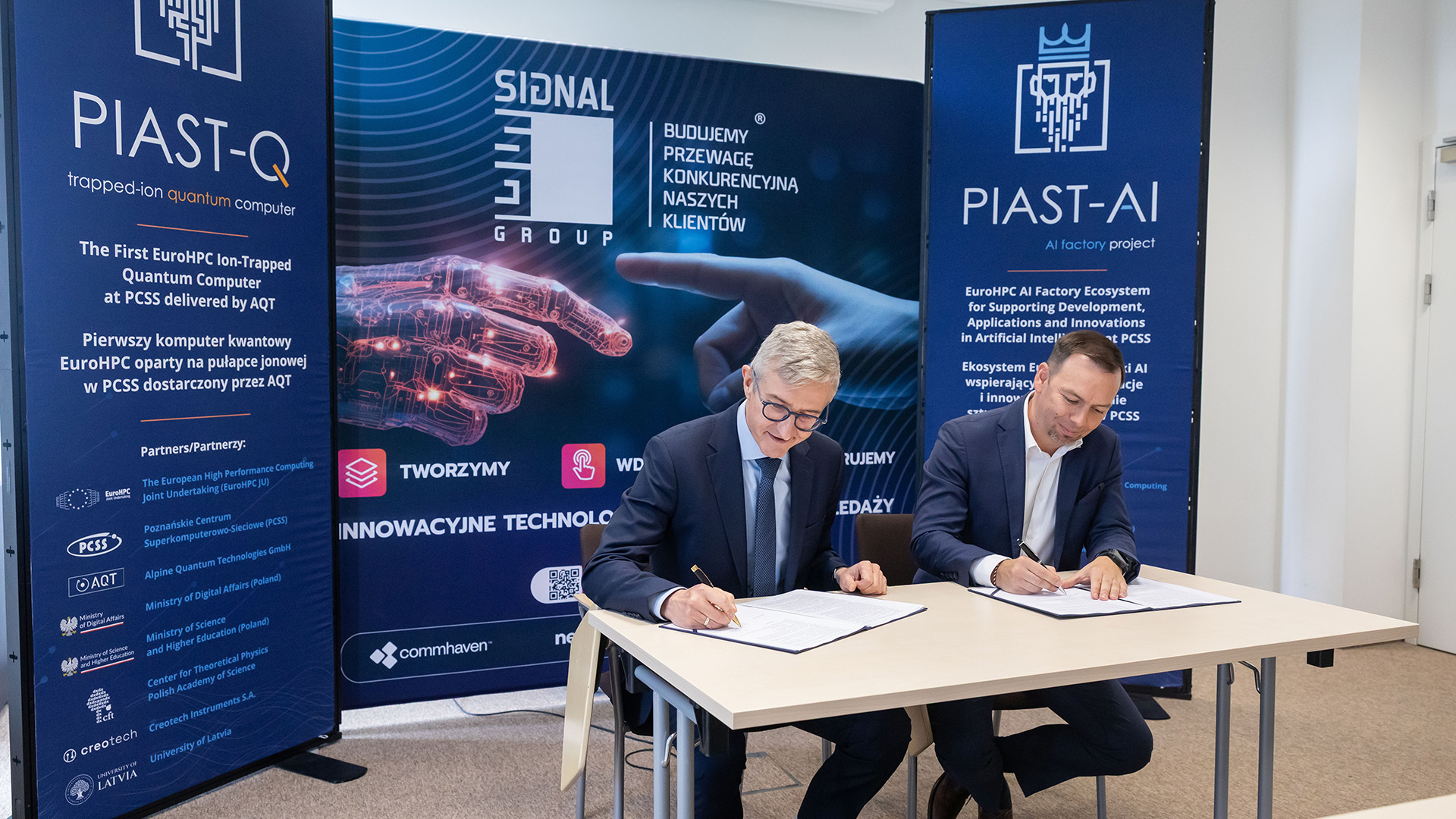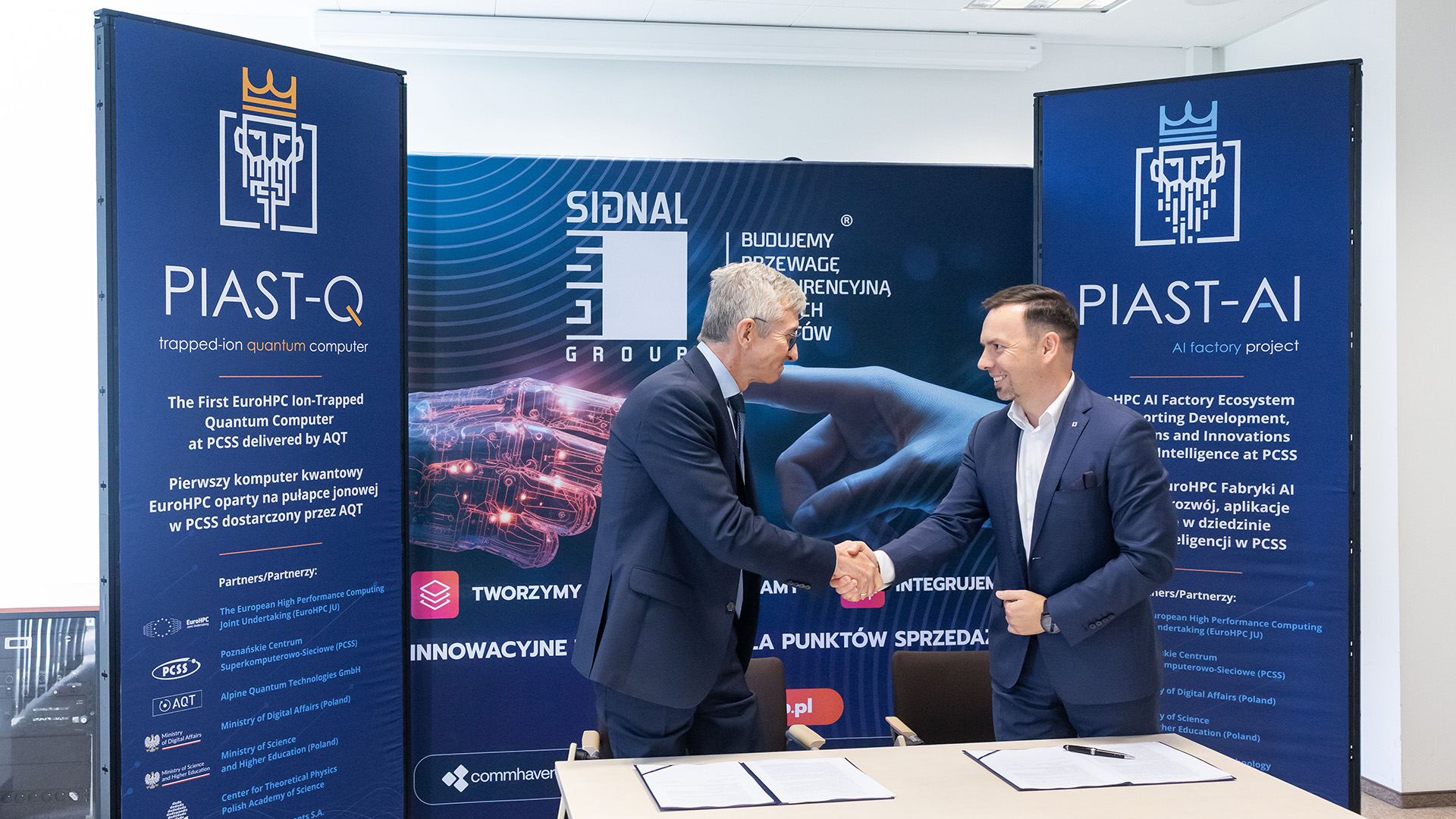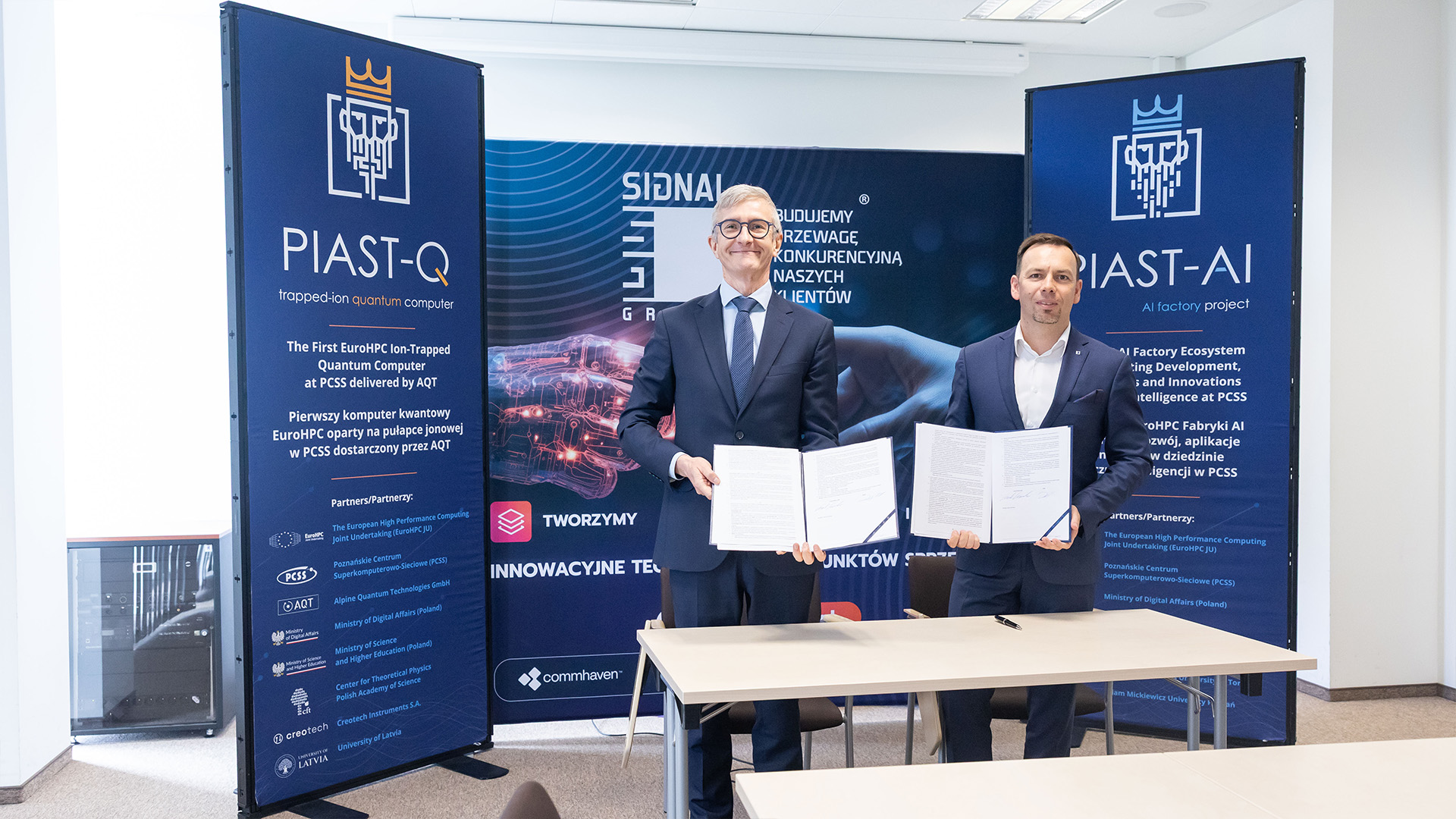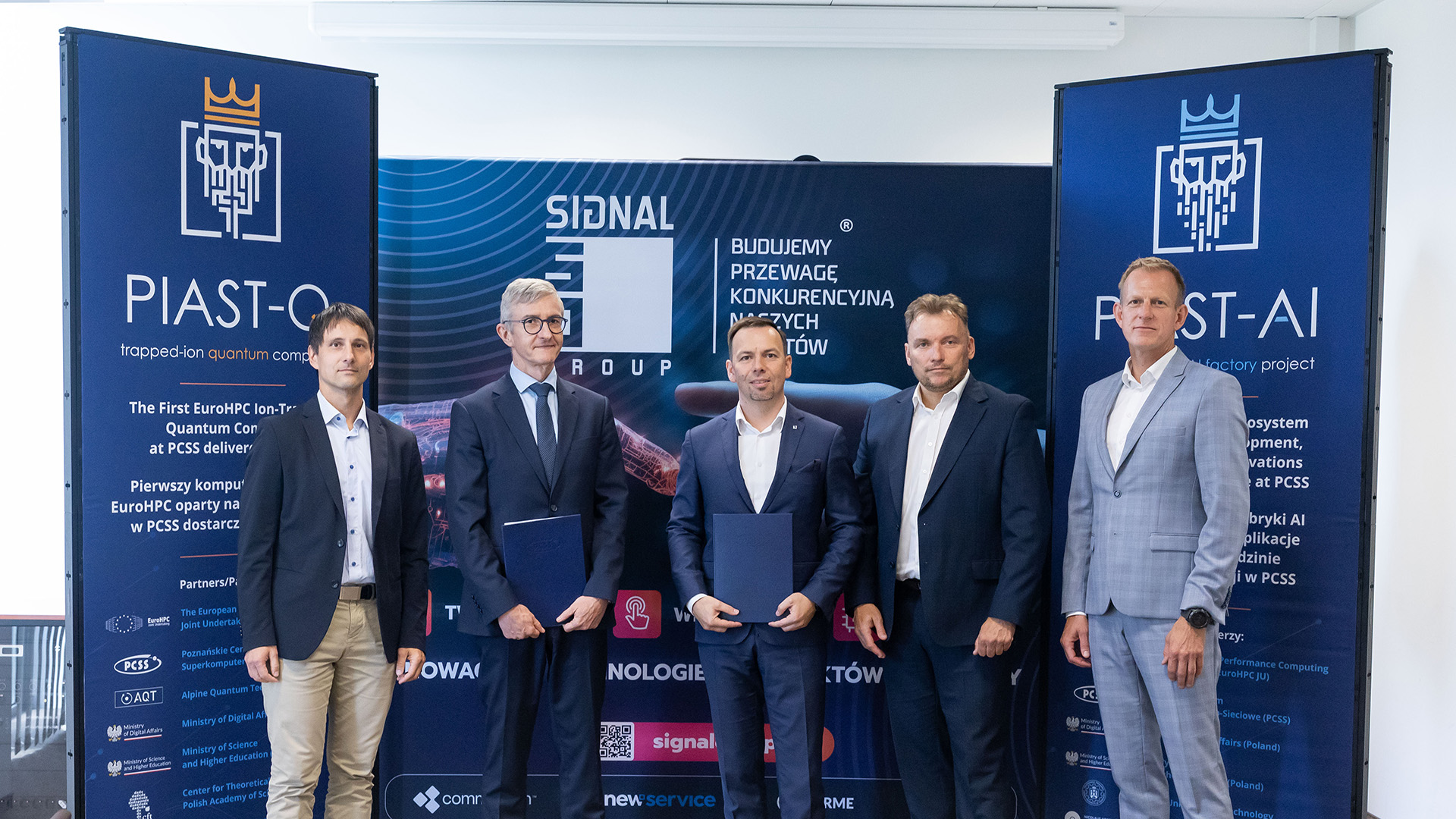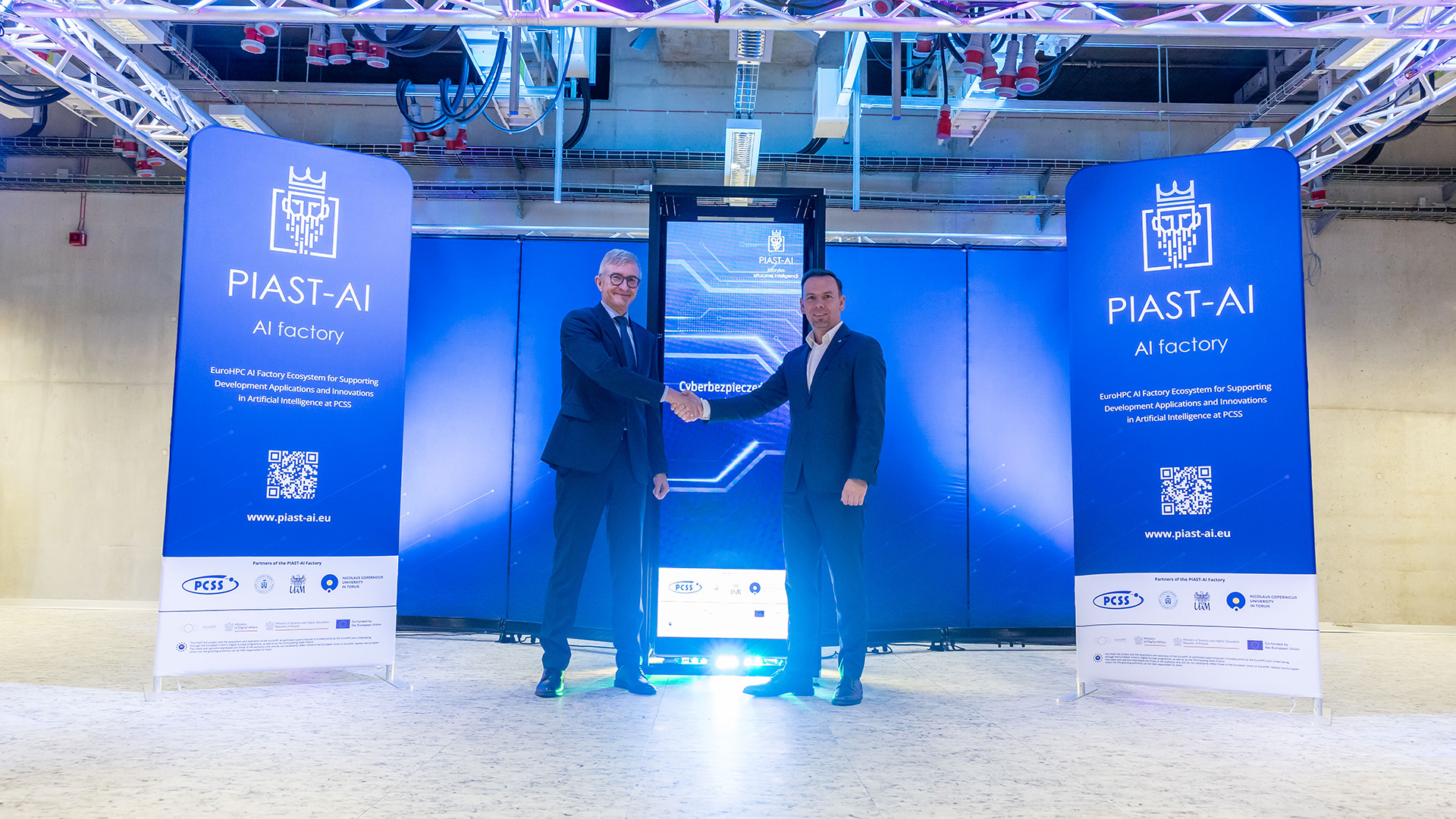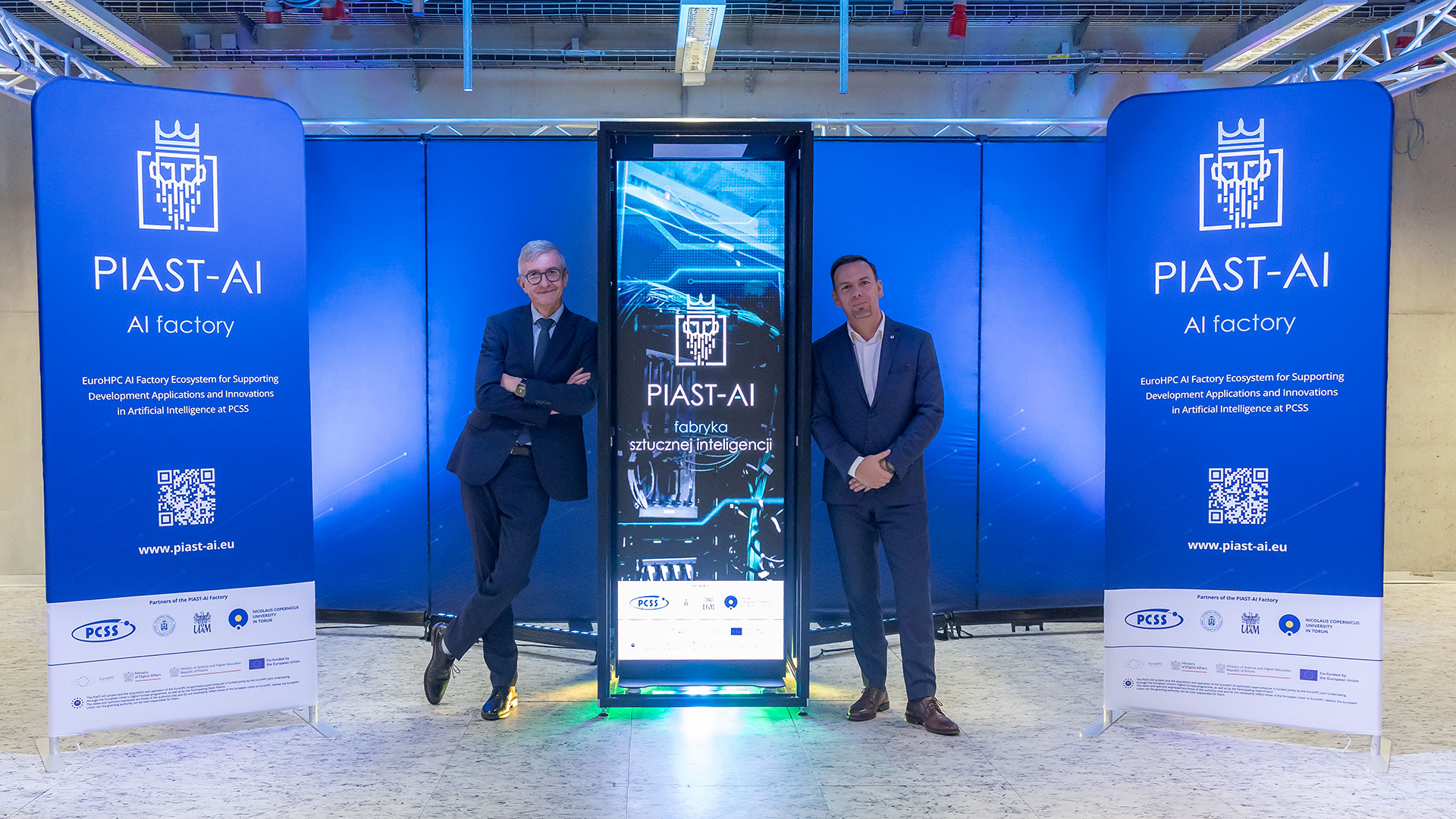
A strategic technology partnership
The signed agreement marks a new stage in Signal Group's development and strengthens our artificial intelligence capabilities. We are combining technological and operational experience gained across thousands of locations with PCSS's research expertise and advanced computing infrastructure.
Signal Group brings knowledge of the real needs of businesses managing distributed networks of facilities, along with experience in technology integration and infrastructure maintenance. PCSS contributes expertise in artificial intelligence, computational modelling and large-scale data analysis.
“Combining these capabilities with our industry knowledge, experience in maintaining technology for multi-site customers and information from real-world locations creates the foundation for a solution with significant business potential,” says Bartosz Jędrzejczak, Chief Operating Officer at Signal Group.
Artificial intelligence for entire networks of facilities
The first application of the AI model under development will be energy consumption optimisation across retail, fuel station, restaurant, hotel, logistics and service networks. Unlike conventional reporting systems, the model is intended to analyse data from multiple locations, predict energy demand, detect anomalies and recommend cost-saving measures.
One of the project's key assumptions is that insights gained at individual locations can be used to improve efficiency across an entire network. In later stages, the solution is also expected to support automated control of selected infrastructure components.
“We want to turn data from our multi-site customers into concrete decisions that help manage energy and, in the longer term, other areas as well. We see the greatest potential at the scale of entire networks,” says Maciej Łątkowski, Director of Research and Development at Signal Group.
Bringing research and real business needs together
At the heart of this collaboration is the combination of PCSS's scientific expertise with Signal Group's experience in real business environments. The Poznań-based research centre develops advanced digital infrastructure and participates in European technology initiatives including PIAST-AI and PIAST-Q.
“This is a unique combination of the business need brought by Signal Group and the capabilities of the Poznań Supercomputing and Networking Center. As a result, research outcomes will be able to find direct application in real business environments,” says Robert Pękal, Director of PCSS.
The project aims to translate advanced data analysis into practical recommendations for businesses and create opportunities to optimise energy consumption and reduce the risk of failures.
“The goal is to develop an innovative solution that will help reduce, among other things, energy costs and the costs associated with failures through the analysis of large datasets. This is an opportunity to turn advanced research and computing technologies into measurable benefits for businesses,” emphasises Ariel Oleksiak, Head of the Energy-Efficient ICT Technologies Department at PCSS.
Energy is the first area of application
The joint project is another step in Signal Group's development as a technology group creating solutions based on artificial intelligence, data analytics and intelligent infrastructure. In the future, the model could be extended to failure prediction, infrastructure maintenance, security and operational management.
Signal Group and PCSS invite companies managing distributed networks of facilities to collaborate, participate in pilot projects and co-develop the technology.